Arctic Fox Stand and Food Chain 24 Interesting Fun Facts Biology Diagrams The 3rd level of a deciduous forest's food web includes the secondary consumers. These include foxes and owls (who eat the rodents) and birds, skunks and opposums, who eat insects. 4th Level This level are the predators, or tertiary consumers. One in a decidious forest is the cougar, which preys on deer and smaller animals.
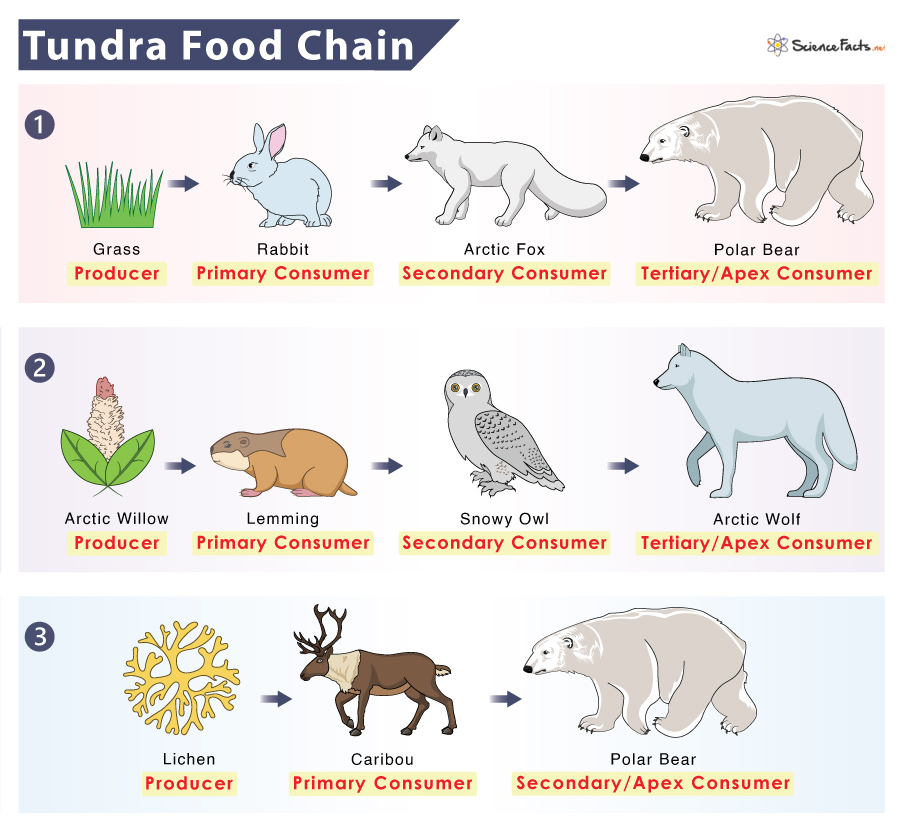
Organisms at different trophic levels in the deciduous forest depend on each other for survival. 1. Producers: Deciduous trees such as oaks, maples, and beeches are the predominant producers in this ecosystem.Small plants, flowers, ferns, and grasses are also abundant. 2. Primary Consumers: The second trophic level is inhabited by herbivorous animals such as deer, squirrels, rabbits
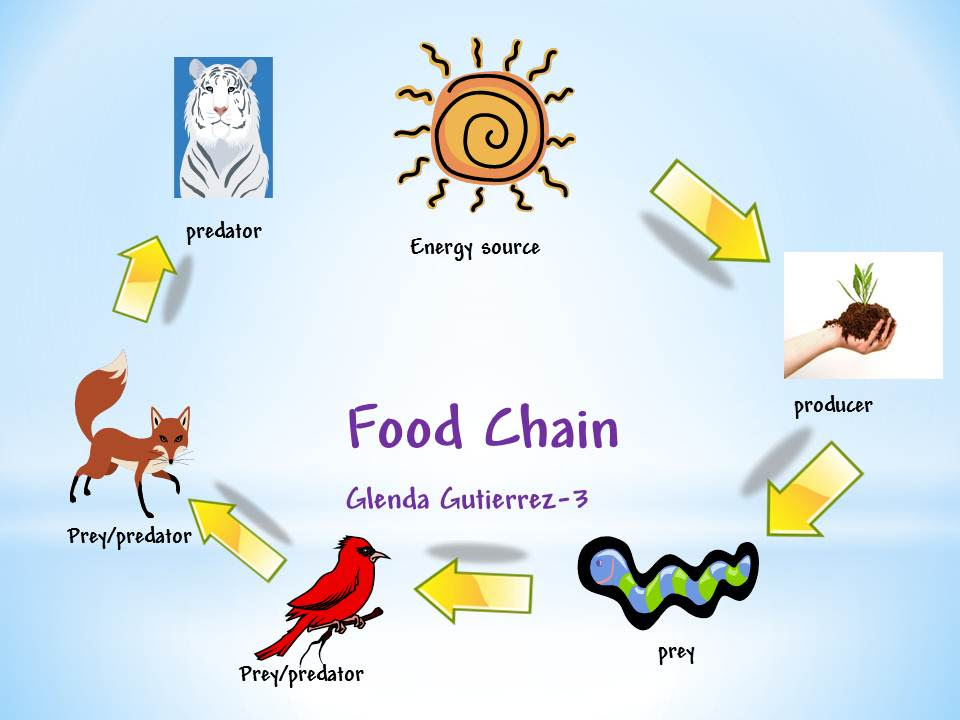
What eats a fox in a food chain? Biology Diagrams
To understand the Deciduous Forest Food Web, Then read about the different trophic levels of a typical Food Chain (below). The trophic level is the position that an organism (plant or animal) occupies in a food chain - what it eats, and what eats it. Animals (fox, coyotes, eagles, owls) who eat the 1st & 2nd consumers are carnivores
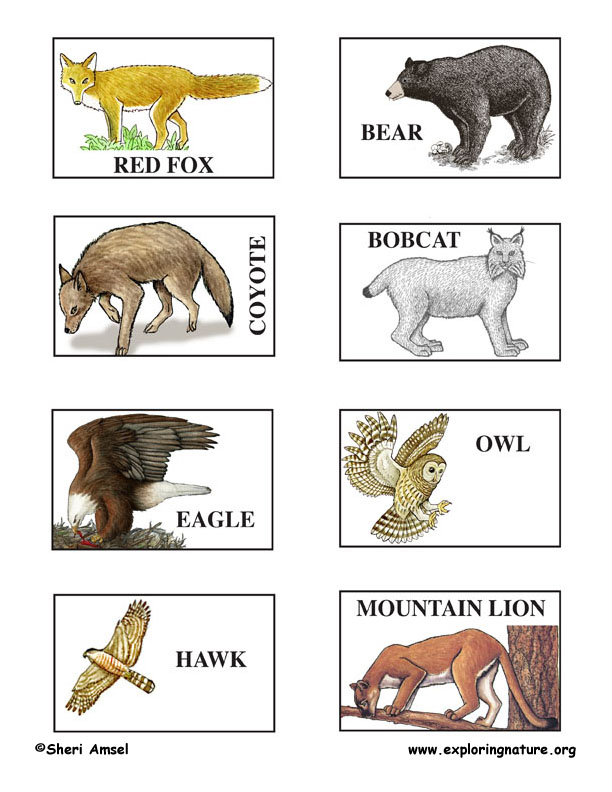
1 Fox. 2 Stoat Polecat. 3 Feral cat. Mixed Forests: These ecosystems have a combination of different tree species. Deer, such as axis deer or fallow deer, can be found in mixed forests in various parts of the world. The primary food chain in a forest ecosystem includes producers such as plants, primary consumers such as herbivores

PDF Foxes and Forestry Biology Diagrams
What eats a fox in a food chain? The answer to this question lies in the hierarchy of a typical food chain or food web. Just like any other predator, foxes too have their natural enemies. Foxes are incredibly adaptable animals and can thrive in various environments, including forests, grasslands, mountains, and even urban areas. Their
